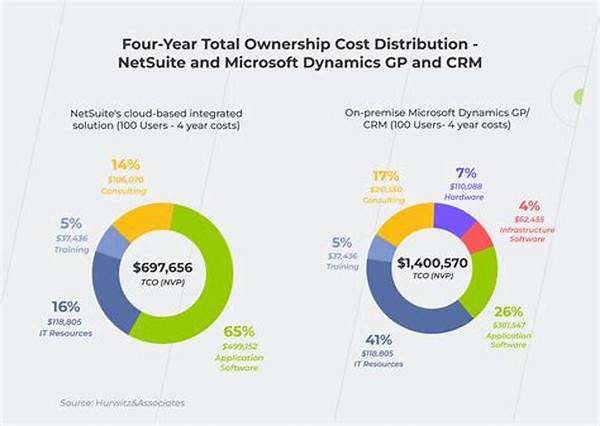
Cloud ERP vs. On-Premises ERP: A Comprehensive The Pros and Cons of Cloud ERP and On-Premise ERP: A Detailed Examination Side-by-Side Comparison
Enterprise Resource Planning (ERP) systems have become essential tools for businesses of all sizes. These integrated software solutions help Comparing Cloud ERP and On-Premise ERP: A Comprehensive Analysis businesses manage their operations more efficiently by providing a single, centralized platform for managing core business processes such as finance, accounting, inventory, and human resources.
Traditionally, ERP systems Cloud ERP vs. On-Premise ERP: A Detailed Analysis for Decision-Makers have been deployed on-premises, meaning that the software and data are stored on the company’s own servers. However, in recent years, cloud ERP systems have become more popular. Cloud ERP systems are hosted by third-party providers and accessed over the Internet.
Both cloud ERP systems and on-site ERP systems have their own advantages and disadvantages. Cloud vs. On-Premise ERP: A Side-by-Side Comparison for Business Users The best option for a particular business will depend on its specific needs and requirements.
Cloud ERP
Comparing Cloud ERP and On-Premise ERP: A Detailed Analysis Pros:
Lower costs: Cloud ERP systems are generally less expensive Cloud vs. On-Premise ERP: A Side-by-Side Comparison for Business Users to implement than on-premises ERP systems because businesses do not need to purchase and maintain their own servers.
Increased flexibility: Cloud ERP systems are more flexible than on-premise ERP systems because they can be accessed from anywhere with an internet connection. This makes them ideal for businesses with remote The Advantages and Disadvantages of Cloud ERP vs. On-Premise ERP workers or multiple locations.
Faster implementation: Cloud ERP systems can be implemented faster than on-premises ERP systems The Pros and Cons of Cloud ERP and On-Premise ERP: A Detailed Examination because businesses do not have to wait for hardware to be purchased and installed.
Automatic Updates: Cloud ERP systems are automatically updated by the provider, which means businesses don’t have to The Advantages and Disadvantages of Cloud ERP and On-Premise ERP: A Side-by-Side Comparison worry about keeping their software up to date.
Cloud vs. On-Premise ERP: A Side-by-Side Comparison for Business Users Disadvantages:
Security Concerns: Some businesses are concerned about the security of cloud ERP systems because their data is stored on third-party servers. However, cloud ERP providers Cloud vs. On-Premise ERP: A Comprehensive Comparison for Your Enterprise typically have strong security measures in place to protect customer data.
Limited Customization: Cloud ERP systems are generally less customizable than on-premises ERP systems because the software is hosted by a third-party provider. However, most cloud ERP Cloud ERP vs. On-Premise ERP: An in-Depth Showdown providers offer a variety of customization options to meet business needs.
Reliance on Internet Connection: Cloud ERP systems require Cloud vs. On-Premise ERP: Which Model is Right for Your Business? a reliable Internet connection to access. If the Internet connection is lost, the business will not be able to access their ERP system.
ERP Cloud ERP vs. On-Premise ERP: The Ultimate Guide for Decision-Makers on site
Pros:
Greater control: Businesses have more control over their data when they use an on-premises ERP system because the software and data are stored on their own servers.
Higher level of customization: On-premises ERP systems are generally Cloud ERP vs. On-Premise ERP: A Detailed Analysis for Decision-Makers more customizable than cloud ERP systems because the business has more control over the software.
No Internet Connection Reliance: On-site ERP systems do not require an Internet connection to access. This can be an advantage for businesses Cloud vs. On-Premise ERP: Which is Right for Your Business? operating in areas with unreliable Internet access.
Cloud vs. On-Premise ERP: A Comprehensive Comparison for Decision-Makers Disadvantages:
Higher upfront costs: On-premises ERP systems are typically more The Advantages and Disadvantages of Cloud ERP and On-Premise ERP: A Side-by-Side Comparison expensive to implement than cloud ERP systems because businesses need to purchase and maintain their own servers.
Less flexibility: On-premises ERP systems are less flexible than cloud ERP systems because they cannot be accessed from anywhere with an Internet connection.
Slower implementation: On-premises ERP systems can take longer to implement than cloud ERP systems because businesses need to wait for hardware to be purchased Cloud ERP vs. On-Premise ERP: A Comprehensive Comparison and installed.
Manual Updates: On-premises ERP systems require businesses to The Advantages and Disadvantages of Cloud ERP and On-Premise ERP manually update the software, which can be a time-consuming and expensive process.
What type of ERP system is The Advantages and Disadvantages of Cloud ERP and On-Premise ERP: A Side-by-Side Comparison right for your business?
The best way to decide which type of ERP system is right for your business is to evaluate your specific needs and requirements. Cloud ERP systems are a good choice for businesses Comparing Cloud ERP and On-Premise ERP: A Comprehensive Guide looking for a more affordable, flexible and easy-to-implement solution. An on-premise ERP system is a good choice for businesses that require a higher level of control, customization and security.
Here is Cloud vs. On-Premise ERP: A Comprehensive Comparison for Your Business a chart that summarizes the key differences between cloud ERP and on-premise ERP:
| Features | Choosing the Right ERP Model: Cloud ERP vs. On-Premise ERP Cloud ERP | ERP in place |
The Pros and Cons of Cloud ERP and On-Premise ERP: A Detailed Examination |–|–|—|
| cost | Low upfront Cloud ERP vs. On-Premise ERP: A Detailed Analysis for Decision-Makers cost | Higher upfront costs |
Comparing Cloud ERP and On-Premise ERP: Pros, Cons, and Key Differences | Flexible | Very flexible | less flexible |
| Implementation time | Faster implementation | Slow Cloud ERP vs. On-Premise ERP: A Detailed Analysis for Decision-Makers performance |
| Update | Automatic update | Manual Update |
| Security | Strong security measures | Comparing Cloud ERP and On-Premise ERP: A Detailed Analysis Greater control over security |
| Customization | Limited customization | Higher levels of customization |
| Internet connection Cloud ERP vs. On-Premise ERP: A Detailed Analysis for Decision-Makers | Requires a reliable internet connection | Does not rely on internet connection |