A Symphony of Scalability: ERP Cloud Adapting to Changing Business Needs and System Expansions The Symphony of Integration: ERP Cloud Connecting Disparate Systems
In today’s world, businesses operate in a complex and ever-evolving ecosystem. This complexity has led to the proliferation of different systems, each serving a specific purpose and containing valuable information. However, this fragmentation can hinder efficiency, hinder collaboration, The Digital Conductor: ERP Cloud Synchronizing Disparate Systems and create information silos that hinder decision-making.
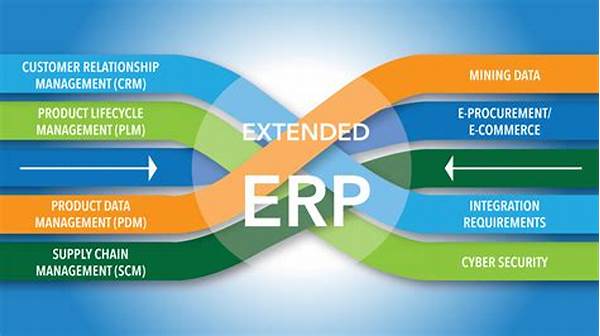
Enterprise Resource Planning (ERP) Cloud solutions offer a transformative solution to this challenge by providing a single, unified Unifying the Blueprint: ERP Cloud Aligning Disparate Systems with Business Goals and Objectives platform that integrates disparate systems, creating a symphony of information flows. This integration enables businesses to streamline operations, improve collaboration, and gain real-time insights that drive informed decision-making.
Benefits of ERP The Symphony of Success: ERP Cloud Unifying Systems for Business Transformation and Value Creation Cloud Integration
The integration Symphony of Integration: ERP Cloud Harmonizing Business Processes of different systems through ERP Cloud offers many benefits that can revolutionize business operations:
1. Process improvement: ERP Cloud integration eliminates the need for manual data entry and reconciliation, reducing errors and saving valuable time. Automated workflows Unifying the Team: ERP Cloud Facilitating Collaboration and Communication Across Disparate Systems seamlessly connect processes across systems, ensuring data consistency and reducing the risk of data loss.
2. Improved collaboration: By providing a centralized platform, ERP Cloud integration breaks down departmental silos and promotes collaboration. Team members can access and share information in real time, allowing them Unifying the Chorus: ERP Cloud Seamlessly Integrates Diverse Applications to make informed decisions and respond quickly to changing business needs.
3. Improved data visibility: ERP Cloud integration provides a unified view of data from different systems, giving decision makers a complete and up-to-date picture Unifying the Blueprint: ERP Cloud Aligning Disparate Systems with Business Goals and Objectives of the business. This improved visibility enables them to identify trends, patterns, and opportunities that were previously hidden in silos.
The Symphony of Growth: ERP Cloud Fueling Expansion and System Connectivity 4. Real-time Decision Making: With real-time information available from all connected systems, businesses can make informed decisions based on the latest information. This will eliminate delays and inaccuracies associated with outdated or incomplete information.
5. Reduce IT costs: ERP Cloud integration reduces the need for separate software licenses, servers and maintenance for each A Chorus of Collaboration: ERP Cloud Facilitating Cross-Functional Integration different system. By centralizing data and processes, businesses can consolidate IT infrastructure and significantly reduce IT costs.
Symphony of Integration: ERP Cloud Harmonizing Business Processes How ERP Cloud Integration Works
ERP Cloud integration involves connecting different systems to a central ERP platform in the cloud. This platform provides a Harmonizing the Symphony: ERP Cloud Facilitating Data Transfer and Exchange Across Disparate Applications standardized interface that allows systems to communicate seamlessly. The integration process typically includes the following steps:
1. A Harmonious Hub: ERP Cloud as the Central Nervous System Connecting Disparate Systems Data Mapping: Data from different systems are mapped to corresponding fields in the ERP platform, ensuring data consistency and accuracy.
2. Process The Symphony of Control: ERP Cloud Providing Centralized Governance and Compliance Across Disparate Systems Automation: Automated workflows are created to streamline processes and eliminate the need for manual data entry and reconciliation.
3. Information exchange: Information is exchanged between connected systems in A Symphony of Scalability: ERP Cloud Adapting to Changing Business Needs and System Expansions real time, ensuring that all users have access to the most up-to-date information.
4. Security and management: ERP Cloud integration ensures data security and compliance A Symphony of Transformation: ERP Cloud Unifying Systems for Digital Evolution with appropriate regulations through authentication, authorization and strong encryption.
The Symphony of Success: ERP Cloud Unifying Systems for Business Transformation and Value Creation Summary
In the The Dynamic Symphony: ERP Cloud Enabling Real-Time Data Integration and Process Synchronization symphony of business operations, ERP Cloud integration acts as a conductor, harmonizing different systems and creating a seamless flow of information. By integrating data, processes, and communications across organizations, ERP Cloud helps businesses achieve greater efficiency, collaboration, and informed decision-making.
Harmonizing the Symphony: ERP Cloud Facilitating Data Transfer and Exchange Across Disparate Applications In today’s competitive landscape, businesses cannot afford to operate with fragmented systems that hinder their ability to adapt and innovate. ERP Cloud integration provides solutions, transforming discrete systems into a tight and agile ecosystem that enables business success.